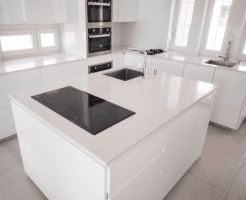
Breakfast Counter Dimensions: A Complete Guide for a Functional Kitchen


Planning a kitchen is not just about appliances and storage—getting the breakfast counter dimensions right is equally important. A well-sized breakfast counter improves comfort, movement, and everyday usability while adding style to the kitchen. This guide explains ideal height, width, seating space, and design tips to help you plan a practical breakfast counter.
Why Breakfast Counter Dimensions Are Important
Breakfast counters are often used for quick meals, casual seating, and even work or study. Incorrect dimensions can make the space uncomfortable or difficult to use. Proper sizing ensures:
- Comfortable seating and legroom
- Smooth movement around the kitchen
- Better space utilization
- A balanced and visually appealing layout
Well-planned dimensions make the breakfast counter a versatile part of the kitchen.
Ideal Height for a Breakfast Counter
The height of a breakfast counter depends on how it will be used.
- Standard counter height: Around 36 inches
- Raised breakfast counter height: Around 42 inches
A 36-inch counter works well with standard chairs, while a 42-inch counter pairs better with bar stools. Choosing the right height helps maintain comfort for sitting and standing use.
Recommended Width and Depth
The depth of the breakfast counter affects usability and comfort.
- Ideal depth: 24 to 30 inches
This provides enough space for plates, cups, and light food preparation. Counters that are too narrow may feel cramped and limit functionality.
Seating Space Guidelines
Comfortable seating requires adequate space for each person.
- Width per person: At least 24 inches
- Legroom: Enough knee clearance under the counter
Following these guidelines ensures ease of movement and comfortable dining.
Distance and Clearance Around the Counter
Proper clearance prevents congestion in the kitchen.
- Leave sufficient walking space behind stools
- Ensure cabinet doors and appliances can open fully
- Maintain smooth traffic flow around the counter
Good spacing improves safety and convenience.
Design Tips for a Practical Breakfast Counter
- Choose durable, easy-to-clean materials
- Add proper lighting above the counter
- Match stool height to counter height
- Keep the design consistent with the kitchen style
Thoughtful design enhances both function and appearance.
FAQ
1. What is the standard height of a breakfast counter?
It is usually between 36 and 42 inches, depending on seating style.
2. How much width is needed per person?
Around 24 inches per person is recommended.
3. Can breakfast counter dimensions be customized?
Yes, but comfort and ergonomics should always be considered.
4. Is a breakfast counter suitable for small kitchens?
Yes, when planned carefully, it can save space and add functionality.
5. Can a breakfast counter be used for work or study?
Yes, with proper height and seating, it can serve multiple purposes.
Conclusion
Understanding breakfast counter dimensions helps create a kitchen that is comfortable, efficient, and visually appealing. From choosing the right height to ensuring proper seating space, every detail matters. If you are planning a new home or exploring properties with well-designed kitchens, Zlendo Realty can help you find spaces that support smart layouts and modern living needs.
Disclaimer
This information is shared purely for general guidance and awareness. Dimensions, design requirements, and suitability may vary based on space, usage, and personal preferences. Readers are advised to consult kitchen designers or professionals before finalizing layouts or construction decisions.
Related Articles
Zlendo Realty: Next-Gen Floor Planning and 3D Visualization
Bring Floor Plans to Life with Zlendo Realty’s 2D to 3D Converter Turning concepts into realistic visual experiences is now easier than ever. With Zlendo Realty’s 2D Floor Planner…
 Reshma Shree
80 Square Inches Explained: Area Meaning, Uses, and Examples
Discover the significance of 80 square inches in design, its practical applications, and surprising examples across various industries.
Reshma Shree
Best Home Design Software Reviewed: Top Tools for Perfect Home Planning
Discover the best home design software to transform your architectural dreams into reality. Explore top tools that streamline planning and elevate creativity!
Reshma Shree