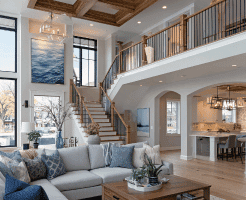
Home Interior Design: Why Planning Matters More Than Style


Many homeowners believe that home interior design is simply about choosing attractive furniture or following the latest trends. However, without proper planning, even the most stylish elements can result in a space that feels uncomfortable or poorly organized. True home interior design focuses on balance, usability, and how a space supports everyday living.
A thoughtfully designed interior improves comfort, flow, and long-term satisfaction. When each decision is made with purpose, the home feels more organized, welcoming, and functional.
What Home Interior Design Really Means
Home interior design is the process of shaping indoor spaces to match lifestyle needs, personal preferences, and practical requirements. It goes beyond decoration and looks at how rooms are used, how people move through them, and how different elements work together.
Good design ensures that every room feels connected, comfortable, and easy to use.
Designing with Purpose, Not Guesswork
Every room serves a different purpose, and design choices should reflect that. A living room may need to support relaxation, conversation, or work. A bedroom should feel calm and uncluttered. When design decisions are made without understanding these needs, spaces often feel mismatched or overcrowded.
Starting with a clear purpose helps guide furniture selection, layout planning, and color choices.
Creating Comfort Through Flow and Balance
An important part of home interior design is ensuring smooth movement within a space. Poor furniture placement can make a room feel tight or confusing. Proper spacing allows natural movement and makes a room feel open and inviting.
Textures, materials, and colors also play a role in creating comfort. Soft finishes, balanced tones, and thoughtful lighting help shape the mood of a room.
Traditional Decorating vs Thoughtful Design
Traditional decorating often focuses only on appearance, while thoughtful home interior design considers long-term comfort and adaptability. A well-designed home evolves with changing needs and avoids unnecessary clutter.
Flexible furniture, smart storage, and adaptable layouts make a space more practical and easier to maintain.
Solving Common Interior Design Challenges
Homes often come with design challenges such as limited space, poor lighting, or awkward layouts. These issues can be resolved with smart planning rather than expensive changes.
Simple solutions include:
- Rearranging furniture to improve movement
- Using mirrors to enhance brightness
- Choosing lighter colors to create a sense of openness
- Selecting furniture that serves more than one purpose
Good home interior design works with the space, not against it.
The Future of Home Interior Design
Modern homes are becoming more intuitive and responsive to daily life. Interior design is moving toward comfort, simplicity, and sustainability. Materials that are easy to maintain and environmentally responsible are gaining importance.
Homes designed with flexibility and mindful planning continue to feel relevant and comfortable over time.
Conclusion
Home interior design is most successful when it begins with a clear plan rather than isolated style choices. A well-planned interior supports daily routines, improves comfort, and creates harmony across spaces. With professional guidance and planning support from Zlendo Realty, homeowners can visualize their ideas more clearly and make informed design decisions that result in functional, elegant, and lasting interiors.
Disclaimer
This content is provided for general informational purposes only. Interior design outcomes vary based on space, personal preferences, materials, and execution. The information shared here should not be considered professional architectural or design advice. Readers are encouraged to consult qualified interior design professionals before making final design or renovation decisions.
Related Articles
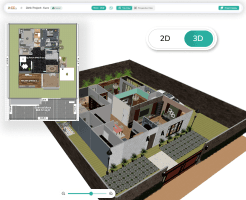
Zlendo Realty: Next-Gen Floor Planning and 3D Visualization
Bring Floor Plans to Life with Zlendo Realty’s 2D to 3D Converter Turning concepts into realistic visual experiences is now easier than ever. With Zlendo Realty’s 2D Floor Planner…
 Reshma Shree
80 Square Inches Explained: Area Meaning, Uses, and Examples
Discover the significance of 80 square inches in design, its practical applications, and surprising examples across various industries.
Reshma Shree
Best Home Design Software Reviewed: Top Tools for Perfect Home Planning
Discover the best home design software to transform your architectural dreams into reality. Explore top tools that streamline planning and elevate creativity!
Reshma Shree