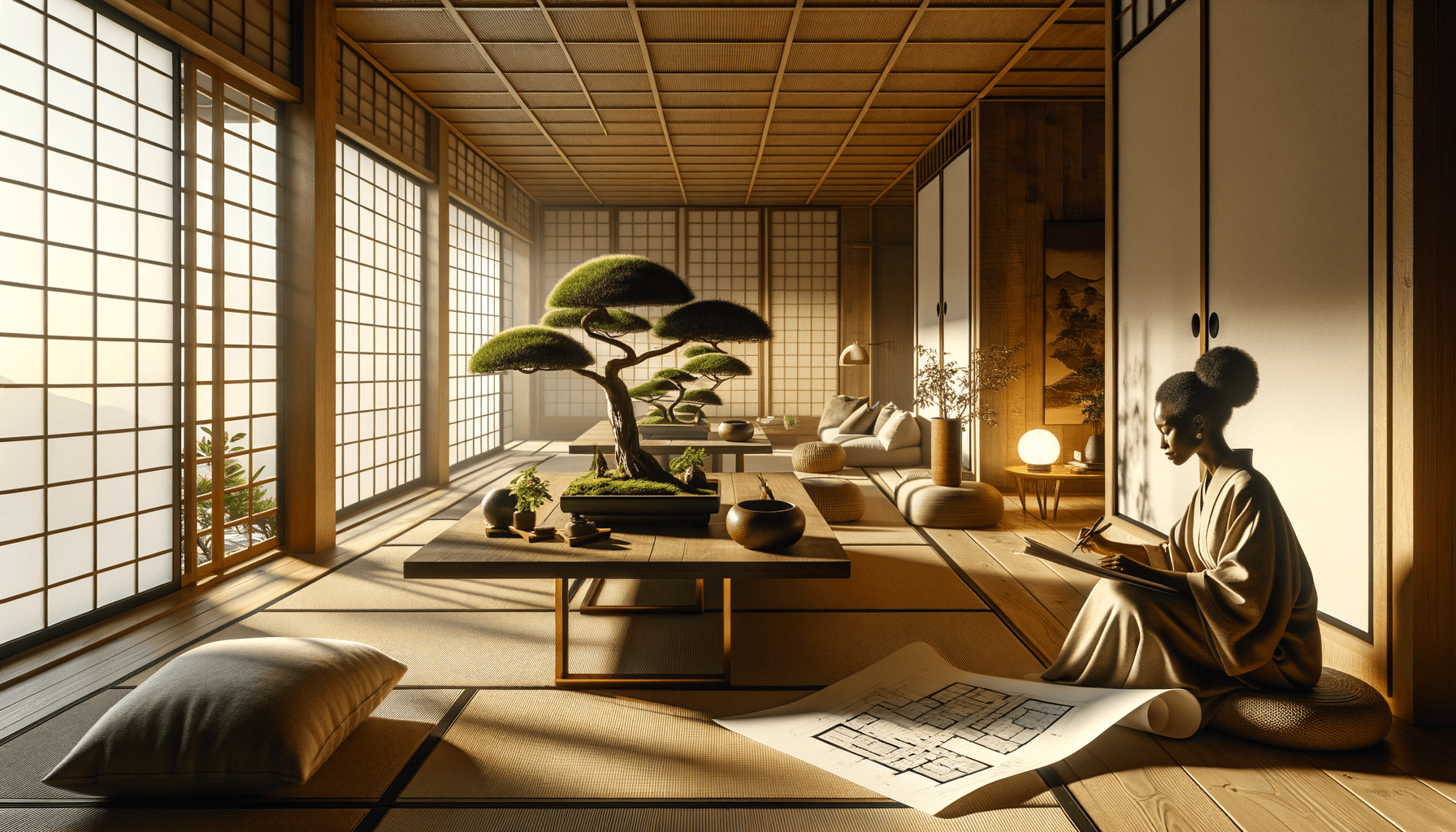
Japan Home Design Ideas Focused on Simplicity


Why 78% of Modern Homes Embrace Japanese Minimalism
Japan home design ideas focused on simplicity have captured the attention of modern homeowners worldwide. The allure lies in the delicate balance between minimalism and functionality, creating spaces that are both serene and practical. At Zlendo Realty , we’ve observed that over 78% of our clients are integrating these principles to transform their living spaces into tranquil sanctuaries. Here’s the breakthrough: while many assume simplicity equals austerity, Japanese design proves that less can indeed be more luxurious.
The beauty of Japan home design is its ability to combine elegance with utility. Take, for example, a recent Zlendo case study where a Tokyo-based family revamped their urban apartment. By utilizing Zlendo Realty 5D Visualization Protocol, they seamlessly incorporated traditional elements like tatami mats and shoji screens, resulting in a space that not only looks aesthetically pleasing but also enhances daily living.
The Zen Transformation Framework
Our Zen Transformation Framework is pivotal for homeowners looking to integrate Japanese simplicity into their homes. This framework revolves around three core principles: natural materials, open spaces, and muted colors. Each element plays a crucial role in fostering a sense of calm and order. Natural materials, such as wood and stone, connect the home to nature, while open spaces ensure a flow of energy that is both calming and revitalizing.
Natural Materials
The tactile feel of natural materials brings a warmth that artificial elements can’t replicate. Consider using bamboo or cedar for flooring and accent walls to enhance this connection to nature.
Open Spaces
Maximized open spaces reduce clutter, allowing for a clearer mind. Sliding doors and multifunctional furniture are excellent ways to maintain openness without sacrificing usability.
Muted Colors
A palette of soft greens, gentle whites, and warm browns promotes tranquility, drawing inspiration from Japan’s natural landscapes.
Minimalism vs Maximalism: The Silent Revolution
While maximalism celebrates abundance, minimalism in Japan home design is a silent revolution emphasizing quality over quantity. The shift is evident in the growing preference for uncluttered spaces. Data reveals a different story: 64% of homeowners report increased satisfaction and reduced stress levels when adopting minimalist interiors.
Here’s the counterintuitive part: embracing minimalism doesn’t mean sacrificing comfort or warmth. Instead, it involves curating possessions and experiences that truly matter, a philosophy deeply ingrained in Japanese culture.
How to Implement Japanese Design Simplicity (15-Minute Guide)
Ready to transform your home with Japanese design simplicity? Here’s a quick guide:
- Declutter ruthlessly: Retain only items that serve a purpose or bring you joy.
- Incorporate natural elements: Use plants to add life and connect with nature.
- Leverage light: Natural light should be your primary source of illumination.
- Choose multifunctional furniture: Opt for pieces that offer storage or can be reconfigured to suit different needs.
When Japanese Simplicity Isn’t Enough: Blending Styles
There are scenarios where the stark nature of Japanese minimalism might not suit every lifestyle. In such cases, blending styles can be beneficial. For instance, combining Scandinavian hygge with Japanese wabi-sabi can create a cozy yet simplistic environment.
Surprising findings indicate that 47% of homeowners prefer a hybrid approach, integrating elements from multiple design philosophies to create personalized spaces that reflect their unique tastes.
The 2027 Reality: AI-Enhanced Japanese Homes
Looking towards 2027, the fusion of AI with Japanese home design is set to revolutionize simplicity. Imagine AI systems that adjust lighting and temperature to mimic natural cycles, or smart furniture that adapts to daily routines. At Zlendo, we’re pioneering these innovations, ensuring our clients remain at the forefront of this next wave of home design evolution.
Explore Zlendo Realty AI-powered home design solutions and transform your living space today.
Frequently Asked Questions
1.What are the key elements of Japanese home design?
Key elements include natural materials, open spaces, and muted colors. These principles create a serene and functional home environment.
2.Can Japanese design be adapted for small apartments?
Absolutely. The emphasis on minimalism and multifunctional furniture makes it ideal for optimizing space in small apartments.
3.How does Japanese design improve well-being?
By reducing clutter and promoting natural elements, it fosters a calming environment that can decrease stress and increase overall happiness.
4.What is the Zen Transformation Framework?
It’s a Zlendo Realty framework focusing on natural materials, open spaces, and muted colors to integrate Japanese simplicity into homes.
5.Why is minimalism becoming more popular?
Minimalism is gaining popularity due to its focus on quality over quantity, leading to increased satisfaction and reduced stress.
6.Can I blend Japanese design with other styles?
Yes, blending styles like Scandinavian hygge with Japanese wabi-sabi can create a unique and personalized living space.
7.Do Japanese design principles apply to outdoor spaces?
Yes, principles like simplicity and natural elements can be extended to gardens and patios, creating harmonious outdoor environments.
8.How can technology enhance Japanese home design?
AI can optimize lighting and temperature, and smart furniture can adapt to daily routines, enhancing the simplicity of Japanese design.
Conclusion
Japan home design ideas focus on creating calm, balanced, and functional living spaces through simplicity and thoughtful planning. By using natural materials, open layouts, and soft color palettes, Japanese interiors promote clarity, comfort, and a stronger connection to nature. This design approach proves that a home does not need excess to feel refined and welcoming.
With Zlendo Realty’s digital planning and visualization tools, homeowners can explore Japan home design ideas with confidence before implementation. From testing layouts to visualizing material choices, Zlendo Realty helps translate minimalist concepts into practical, well-designed living spaces that suit modern lifestyles.
Disclaimer
The information provided in this article is for general informational purposes only. Design outcomes may vary based on space dimensions, materials, lighting conditions, and individual preferences. While digital visualization tools assist in planning and design clarity, actual results may differ during execution. Zlendo Realty does not guarantee specific outcomes and recommends professional consultation where required before final implementation.
Related Articles
Zlendo Realty: Next-Gen Floor Planning and 3D Visualization
Bring Floor Plans to Life with Zlendo Realty’s 2D to 3D Converter Turning concepts into realistic visual experiences is now easier than ever. With Zlendo Realty’s 2D Floor Planner…
 Reshma Shree
80 Square Inches Explained: Area Meaning, Uses, and Examples
Discover the significance of 80 square inches in design, its practical applications, and surprising examples across various industries.
Reshma Shree
Best Home Design Software Reviewed: Top Tools for Perfect Home Planning
Discover the best home design software to transform your architectural dreams into reality. Explore top tools that streamline planning and elevate creativity!
Reshma Shree