
Lucky Numbers: What They Mean and Why People Believe in Them


Lucky numbers have been part of human belief systems for generations. Across cultures, numbers are often seen as more than symbols for counting—they are thought to carry energy, meaning, and influence over life events. Many people rely on lucky numbers when making decisions, hoping they will attract success, harmony, or protection.
Belief in lucky numbers is deeply personal, shaped by tradition, spirituality, and individual experience.
Understanding the Idea of Lucky Numbers
Lucky numbers are numbers that people associate with positive outcomes. These associations may come from cultural traditions, numerology, religious symbolism, or repeated life experiences where certain numbers appear during favorable moments.
Unlike fixed rules, lucky numbers vary widely from person to person and culture to culture.
Cultural Role of Lucky Numbers
In many societies, lucky numbers are woven into daily life. In India, for example, people often consider lucky numbers when choosing:
- Important dates
- House or shop numbers
- Vehicle registration numbers
- Prices, names, or official documents
These numbers are believed to invite good fortune and reduce obstacles.
Lucky Numbers and Numerology
Numerology is one of the most common ways people identify lucky numbers. It uses birth dates and names to assign meaning to numbers. According to numerology beliefs, certain numbers align better with a person’s nature, goals, or life path, making them feel more confident andfocused.
Many people continue to use their numerology-based lucky numbers throughout their lives.
How Lucky Numbers Influence Everyday Choices
Lucky numbers often guide small but meaningful decisions. People may:
- Prefer specific dates for starting something new
- Choose phone numbers or passwords using their lucky number
- Arrange objects in repeating number patterns
- Feel more confident when a lucky number appears unexpectedly
These habits often bring emotional comfort and a sense of control.
Lucky Numbers in Homes and Personal Spaces
Some people reflect their lucky numbers in their living or working spaces. This may appear through the number of decorative items, seating arrangements, or layout symmetry. While subtle, these choices often make the space feel more balanced and personally meaningful.
Do Lucky Numbers Really Work?
Lucky numbers do not have scientific proof, but their psychological impact is significant. Believing in a lucky number can boost confidence, reduce stress, and create a positive mindset. For many, this mental reassurance is enough to influence outcomes in a meaningful way.
FAQs About Lucky Numbers
What are lucky numbers?
They are numbers believed to bring positive energy or good outcomes.
Are lucky numbers universal?
No, they differ based on culture, belief, and personal experience.
How do people find their lucky numbers?
Through numerology, birth dates, traditions, or repeated life patterns.
Can lucky numbers affect success?
They can influence mindset and confidence, which may affect decisions.
Are lucky numbers used in business?
Yes, many people use them for pricing, launch dates, and branding.
Related Articles
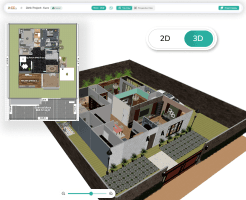
Zlendo Realty: Next-Gen Floor Planning and 3D Visualization
Bring Floor Plans to Life with Zlendo Realty’s 2D to 3D Converter Turning concepts into realistic visual experiences is now easier than ever. With Zlendo Realty’s 2D Floor Planner…
 Reshma Shree
80 Square Inches Explained: Area Meaning, Uses, and Examples
Discover the significance of 80 square inches in design, its practical applications, and surprising examples across various industries.
Reshma Shree
Best Home Design Software Reviewed: Top Tools for Perfect Home Planning
Discover the best home design software to transform your architectural dreams into reality. Explore top tools that streamline planning and elevate creativity!
Reshma Shree