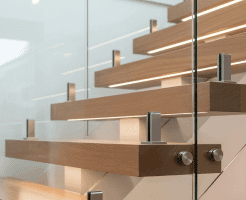
Staircase as per Vastu: Practical Guidelines for a Balanced Home


A staircase is more than just a structural element—it plays an important role in how energy moves through a home. According to Vastu Shastra, the placement, direction, and design of a staircase can influence harmony, stability, and overall well-being. When planned correctly, a staircase as per Vastu supports positive energy while fitting seamlessly into modern home designs.
This guide explains the key Vastu principles for staircases in a clear and practical way.
Why Staircase Placement Matters in Vastu
In Vastu Shastra, staircases are associated with movement and energy flow. Poor placement can disturb balance, while a well-positioned staircase helps maintain stability within the home. Since staircases connect different levels, their location and direction are considered especially important.
Many homeowners find that following basic Vastu guidelines for staircases improves comfort and creates a more organised living environment.
Ideal Direction for Staircase as per Vastu
The direction of the staircase is one of the most important factors.
- South, South-West, or West directions are considered suitable for staircases.
- North-East is generally avoided, as it is associated with light and spiritual energy.
- Staircases should ideally rise in a clockwise direction, which is believed to support growth and progress.
Staircase Design and Structure Guidelines
A staircase as per Vastu should feel solid and well-balanced. Some basic design points include:
- Use strong, durable materials such as wood, stone, or concrete
- Avoid spiral staircases where possible, as they may create imbalance
- Keep staircases well-lit and ventilated
- Ensure steps are even and not broken or irregular
The staircase area should remain clean and clutter-free to allow smooth energy flow.
Staircase Colours as per Vastu
Light and earthy shades work best for staircases. Colours such as beige, cream, light brown, or soft grey are commonly recommended. Very dark or extremely bright colours are usually avoided, as they may create heaviness or restlessness.
You can introduce contrast through railings or décor, but walls and steps should remain visually calm.
Staircase Position Inside the Home
- Avoid placing staircases directly in the centre of the house
- Staircases should not start or end facing the main entrance
- Storage or toilets under staircases are generally discouraged
When space is limited, careful planning and design adjustments can help reduce Vastu concerns.
Modern Homes and Vastu Staircases
Following Vastu does not mean compromising on modern design. Staircases can still be stylish and minimal while respecting basic Vastu principles. Clean lines, natural materials, and good lighting allow staircases to look modern without affecting energy balance.
FAQs on Staircase as per Vastu
1.Which direction is best for a staircase as per Vastu?
South, south-west, and west directions are considered suitable.
2.Is clockwise movement important?
Yes, clockwise upward movement is believed to support positive energy.
3.Can metal be used for staircases?
Metal can be used, but it is better when combined with wood or stone.
4.Is a staircase allowed in the north-east?
It is generally avoided as the north-east is considered a sensitive zone in Vastu.
5.Does the number of steps matter?
Odd numbers are usually preferred as per Vastu beliefs.
Conclusion
Planning a staircase as per Vastu helps maintain balance, stability, and positive energy in a home. When direction, design, and materials are chosen thoughtfully, staircases can support both functionality and harmony. With planning tools and visual guidance from platforms like Zlendo Realty, homeowners and designers can confidently align Vastu principles with modern architectural needs—without compromising on style or comfort.
Disclaimer
Vastu principles may vary based on personal beliefs, regional practices, and home layouts. The content should not be treated as professional architectural, construction, or Vastu consultation advice. Readers are encouraged to consult qualified professionals for personalised recommendations.
Related Articles
Zlendo Realty: Next-Gen Floor Planning and 3D Visualization
Bring Floor Plans to Life with Zlendo Realty’s 2D to 3D Converter Turning concepts into realistic visual experiences is now easier than ever. With Zlendo Realty’s 2D Floor Planner…
 Reshma Shree
80 Square Inches Explained: Area Meaning, Uses, and Examples
Discover the significance of 80 square inches in design, its practical applications, and surprising examples across various industries.
Reshma Shree
Best Home Design Software Reviewed: Top Tools for Perfect Home Planning
Discover the best home design software to transform your architectural dreams into reality. Explore top tools that streamline planning and elevate creativity!
Reshma Shree